


Higher-quality, plant-rich food for everyone
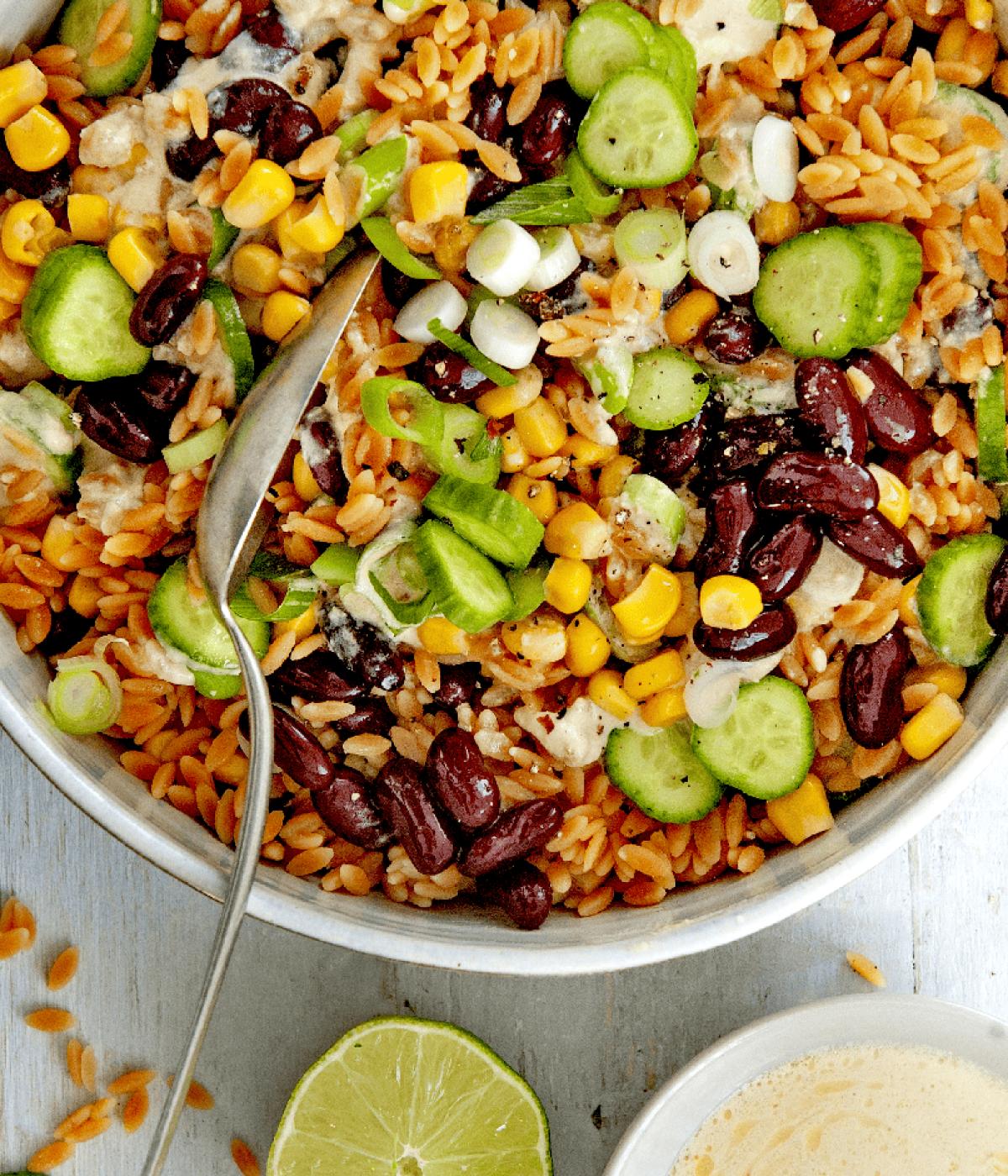
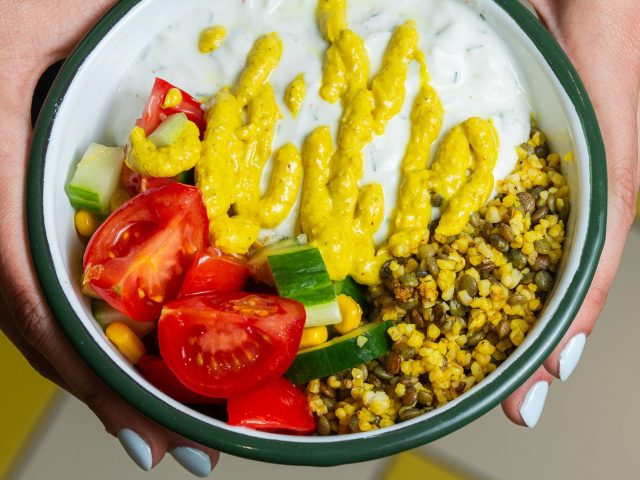
However, only 1 in 5 adults meets the recommended intake levels for fruits and vegetables, while nearly 3 out of 4 consumers base their food purchases on the list of ingredients. To meet these expectations, we develop products in accordance with rigorous quality and nutritional standards, with a commitment to transparency. We are also expanding our plant-rich product offerings to better cater to a wider range of mealtimes and encourage changes in eating habits, with the goal of making plant-rich food more accessible. A need confirmed by consumers: 92% of participants in an OpinionWay study on flexitarianism believe, after one year, that vegetarian meals are a useful way to add variety to their diet (a panel of 427 flexitarian households tracked over 12 months in France).
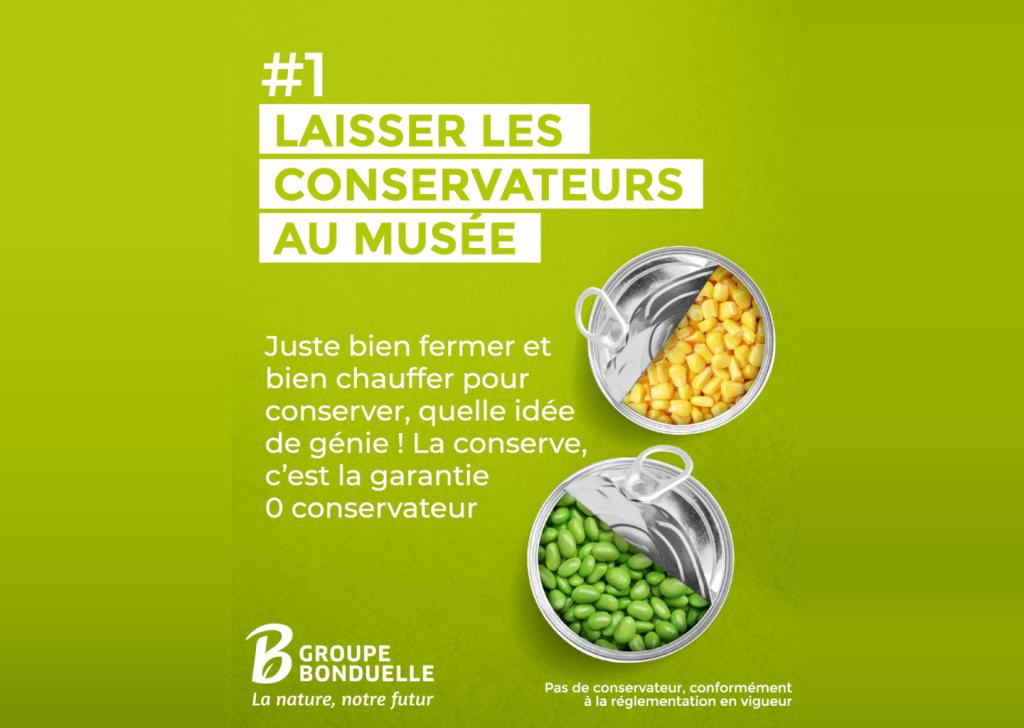
Too bland, too complicated, too boring, too expensive? What if vegetables were more than what we think of them? To accelerate the transition toward a more plant-rich plate, we believe it’s high time to peel back the clichés.
Since 2004, the Louis Bonduelle Foundation has been working to bring about lasting changes in eating habits, with respect for people and the planet, by promoting more plant-rich food that is accessible and appealing. It draws on science to better understand and shed light on food-related challenges, and supports concrete initiatives and accessible tools to help everyone make lasting changes, with particular attention to the most vulnerable groups.
Build a relevant portfolio
We develop products—including more prepared foods—that fit naturally into everyday life and meet the diverse expectations of flexitarian consumers, making it easy for everyone to access plant-rich food.
Objectives by 2030
50 % of revenue generated by cullinary offering
Résultats 2025-2026
40.4 % of revenue generated by cullinary offering
82 % of products are suitable for a vegetarian diet
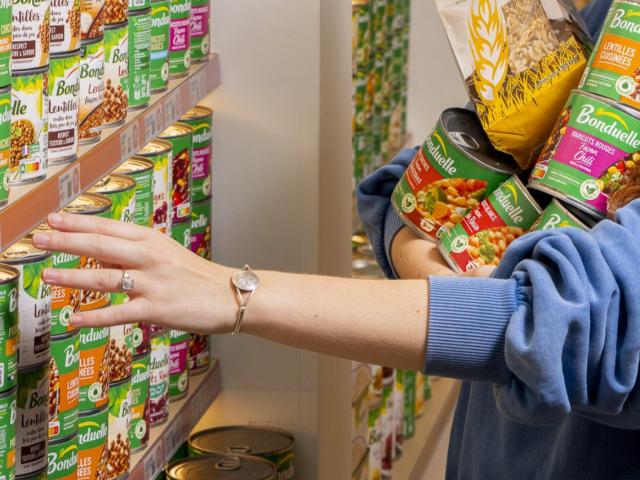
Our goal is the same everywhere: to make plant-rich food easier to incorporate into everyday life. To meet the diverse needs and expectations of flexitarians, we offer a wide range of plant-rich solutions, from everyday ingredients to meal kits, as well as ready-to-eat recipes and products designed for sharing. Delicious and affordable options that fit naturally into any lifestyle.
Offer products that meet high nutritional standards
Because quality is consumers’ top priority, we continue to improve our recipes to offer products that are increasingly simple, with positive nutritional profiles and transparent information for consumers
Objectives by 2030
100 % of products free of controversial additives
85 % of products rated Nutri-Score A or B (2024 algorithm)
2025-2026 results
97.3 % of products are free of controversial additives
92.7 % of products are rated Nutri-Score A or B
84 % of Bonduelle-branded products in France list the origin of their main agricultural raw materials
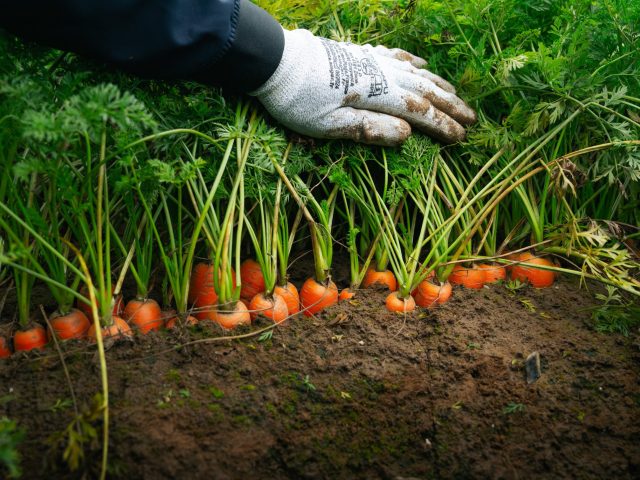
From the outset, we have supported the efforts launched by the French government to improve consumer information. This voluntary initiative demonstrates our commitment to greater transparency. Today, the origin of the main agricultural raw materials used in 84% of Bonduellebranded products sold in France is indicated, primarily via a digital platform that enables this information to be updated.
Encourage behavior change
We help change eating habits in ways that go beyond our products.
Objectives by 2030
Our three regions have implemented a program to promote plant-rich cuisine every year
Increase the number of people who benefit from the Louis Bonduelle Foundation’s initiatives each year
2025-2026 results
Two out of three regions have implemented a program to promote plant-rich cuisine
11,869 chefs trained in plant-rich cuisine in 2025-2026
536 schools participated in the Vegetable Garden World Cup
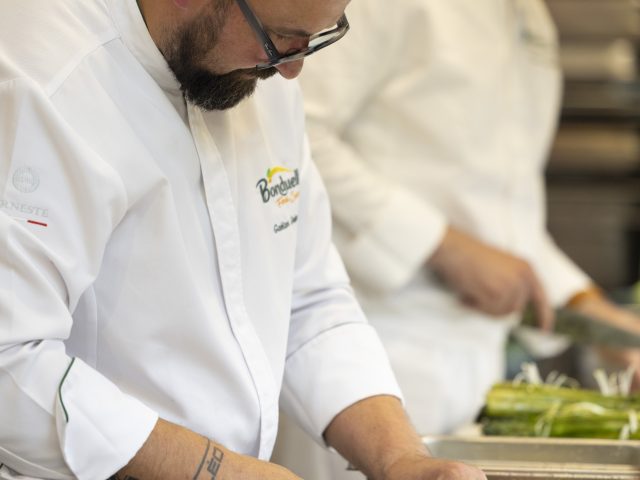
To integrate more plants into their menus via Greenology. We offer online training, hands-on recipes, and face-to-face masterclasses with our culinary advisors. In 2025-2026, 11,869 chefs were trained in plant-rich cuisine.
The Louis Bonduelle Foundation is expanding its efforts to engage younger generations through the Vegetable Garden World Cup, an international educational program developed by the Landestini association. This initiative, carried out in 16 countries, raises students’ awareness of food and nature through the creation of educational gardens. In 2025–2026, it enrolled no fewer than 23,351 children in 536 schools, compared with 4,000 children two years earlier. This strong growth demonstrates the program’s ability to raise awareness among a growing number of young people about challenges related to food, biodiversity, and sustainable development.
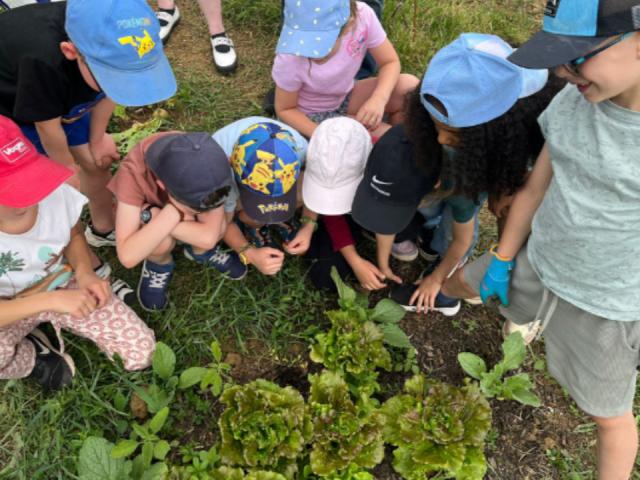
Through the Vegetable Garden World Cup, an international educational program developed by the Landestini association. This initiative, carried out in 16 countries, raises students’ awareness of food and nature through the creation of educational gardens. In 2025–2026, it enrolled no fewer than 23,351 children in 536 schools, compared with 4,000 children two years earlier. This strong growth demonstrates the program’s ability to raise awareness among a growing number of young people about challenges related to food, biodiversity, and sustainable development.


